
Rhinoplasty
Beverly Hills & Los Angeles

Rhinoplasty Benefits: Enhancing Beauty and Function
Rhinoplasty in Beverly Hills, CA, performed by Dr. Swartout, not only perfects the nasal shape but also improves breathing. This procedure offers a dual benefit of aesthetic enhancement and functional improvement, leading to increased confidence and comfort.
What is Rhinoplasty?
Rhinoplasty, commonly known as a nose job, is a surgical procedure that reshapes or restructures the nose for aesthetic and functional improvements. It can refine the nose’s size, shape, or symmetry while also addressing breathing issues caused by a deviated septum or nasal obstructions.
During rhinoplasty, the surgeon will reshape the nasal bones and cartilage to give the nose a more aesthetically pleasing shape. The goal of this surgery is to improve the size and shape of the nose while maintaining its natural proportion with other facial features. In some cases, rhinoplasty can correct breathing problems that may be caused by structural defects within the nose.
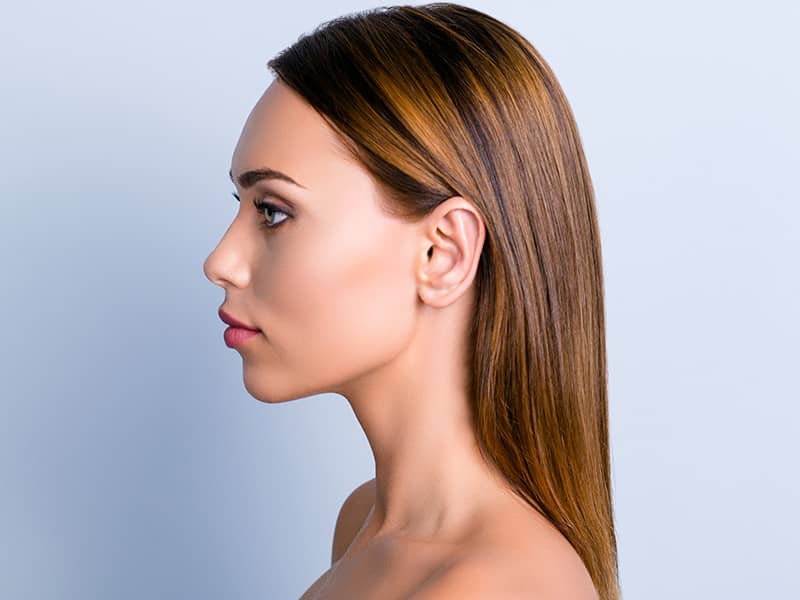


I went to 4 of the top facial plastics rhinoplasty docs in southern California. All were great but Dr. Swartout was the best. I had my primary (open) rhinoplasty 3 years ago and was very unhappy with the results. Dr. Swartout spent an hour with me and we both agreed upon a digital image of what I wanted my nose to look like. He told me it’s important that we’re on the same page and that’s why the digital image is so important…it’s his goal to achieve that result while doing the surgery. It’s been 2 months and my nose looks fabulous.




How to Choose a Rhinoplasty Surgeon in Beverly Hills, CA
Selecting the right rhinoplasty surgeon is essential for achieving natural-looking results and a safe procedure. Since rhinoplasty is one of the most complex plastic surgeries, you should carefully evaluate your surgeon’s credentials, experience, and approach. Here’s what to look for:
- Board Certification – Ensure your surgeon is board-certified in plastic or facial plastic surgery.
- Specialization in Rhinoplasty – Choose a surgeon who regularly performs nose surgery, not just general cosmetic procedures.
- Before & After Photos – Review real patient results to assess their aesthetic style.
- Patient Reviews – Look for testimonials that highlight positive experiences and outcomes.
- Personalized Consultation – A good surgeon listens to your goals and sets realistic expectations.
CONTACT US TODAY!
Call our Beverly Hills office, and we will be happy to help you.
Who is the Right Candidate for Rhinoplasty in Beverly Hills?
The right candidate for rhinoplasty surgery is someone who is unhappy with the size, shape, or overall appearance of their nose and desires to make a change. They may also have functional issues with their nose, such as difficulty breathing due to structural defects. Additionally, they are at the right age for the surgery.
Rhinoplasty can be performed for various reasons, including cosmetic purposes to enhance facial aesthetics and improve self-confidence. It can address concerns such as a hump on the bridge of the nose, a crooked or asymmetrical nose, a bulbous tip, or a wide nostril base.
In addition to aesthetic improvements, rhinoplasty can also correct functional issues within the nose. This may involve straightening a deviated septum or adjusting nasal passages to improve airflow and breathing.
Ideal rhinoplasty patients are in good overall health and have realistic expectations about the outcome of the procedure. They should understand that rhinoplasty is not a one-size-fits-all procedure and that individual results may vary based on factors such as facial structure and the healing process.
Types of Rhinoplasty Surgery
We offer a range of nose surgery procedures to meet each patient’s individual needs, including:
Primary Rhinoplasty
Primary rhinoplasty is the initial surgical procedure performed to reshape or refine the nose’s structure for cosmetic or functional reasons. It addresses nasal aesthetics, breathing issues, or both, improving facial harmony. This surgery involves altering nasal bone, cartilage, or tissue, tailored to each patient’s unique needs.
Functional Rhinoplasty
Functional rhinoplasty is a surgical procedure aimed at improving nasal airflow and correcting breathing issues, rather than focusing on cosmetic changes. It addresses structural problems like a deviated septum, nasal valve collapse, or enlarged turbinates. This procedure enhances nasal function, promoting better airflow and respiratory health.
Ethnic Rhinoplasty
Ethnic rhinoplasty is a nose reshaping surgery that respects and preserves the patient’s unique ethnic features while achieving aesthetic or functional goals. It involves specialized techniques to enhance nasal shape, size, or function without compromising cultural identity, focusing on harmony with the patient’s natural facial characteristics.
Revision Rhinoplasty
Revision rhinoplasty is a secondary nose surgery performed to correct or improve results from a previous rhinoplasty. It addresses aesthetic concerns, functional issues, or complications that arose after the initial surgery. This complex procedure often involves scar tissue management and cartilage grafting to achieve desired outcomes and restore nasal function.
We understand the importance of each patient’s individual needs when performing this delicate procedure, so we provide personalized care for every patient who comes to our Beverly Hills office serving Los Angeles.
Rhinoplasty Results: Before & After Patient Photos
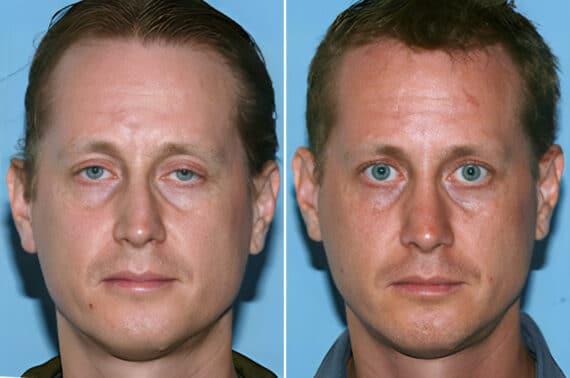
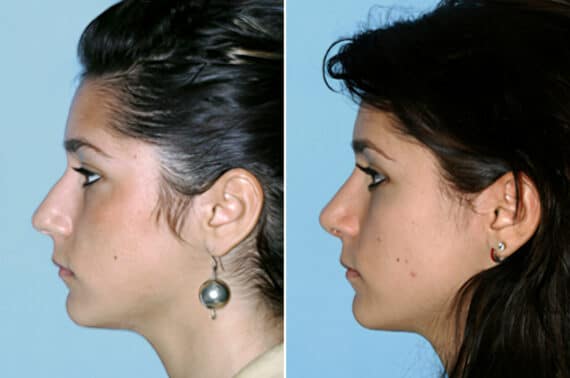
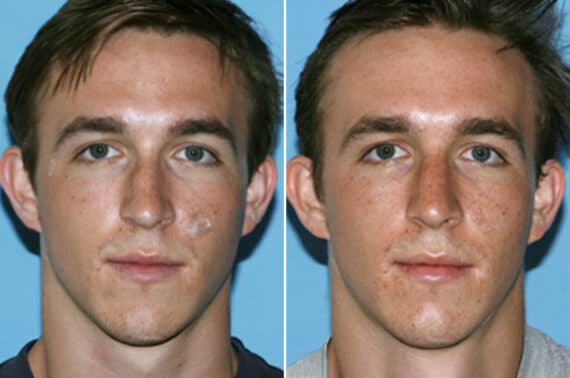
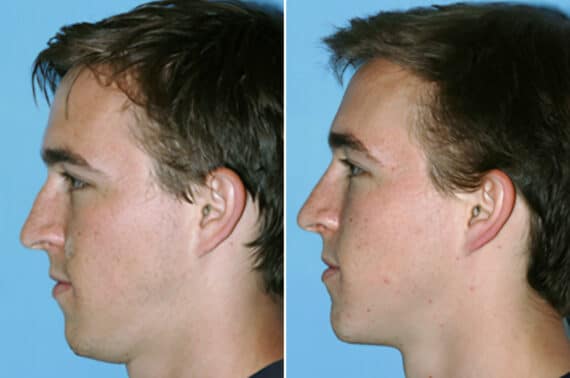
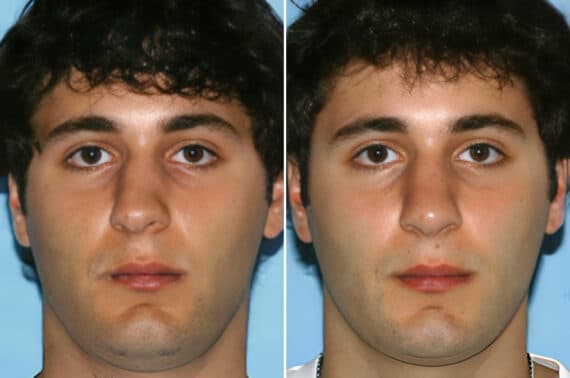
*Each patient is unique and individual results may vary.

The Cost of Rhinoplasty in Los Angeles & Beverly Hills, CA
Rhinoplasty cost in Beverly Hills depends on the complexity of the procedure and the patient’s individual needs. At our plastic surgery practice, we strive to provide patients with a perfect nose that is both aesthetically pleasing and functional. Dr. Swartout will work with you to create a personalized treatment plan that fits your budget so you can achieve beautiful results without breaking the bank.
The Rhinoplasty Procedure: What to Expect During and After Surgery
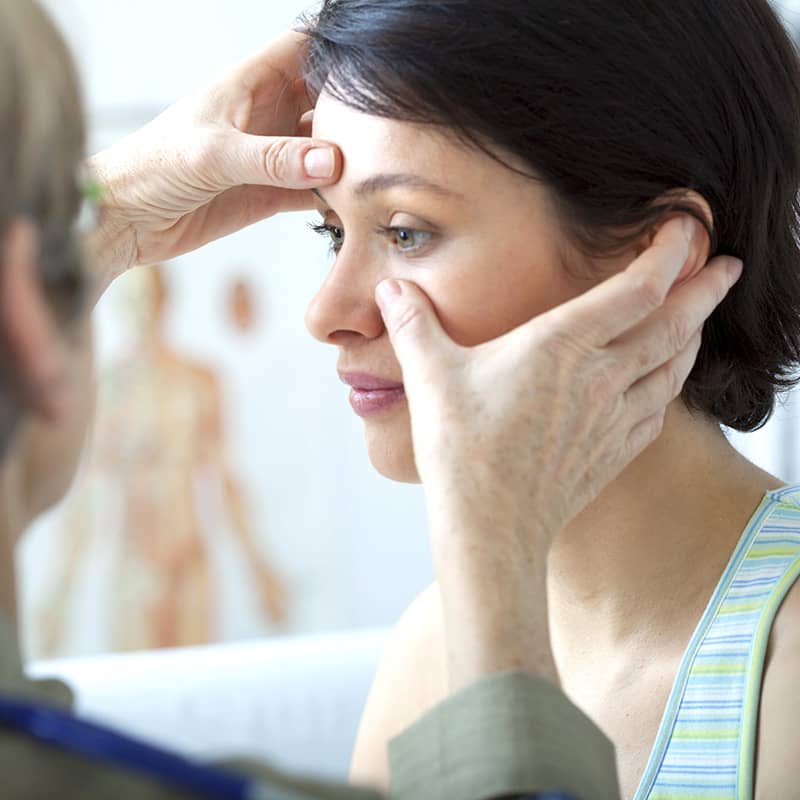
The procedure begins with creating incisions for access to the underlying soft tissue and nasal cartilage in order to reshape them into a more desirable structure. Depending on the individual needs of each patient, our qualified surgeon can modify both bone and cartilage structures in order to achieve desired results. In some cases, this might involve reducing the size of the nose by removing excess tissue or correcting any asymmetries caused by previous trauma or birth defects. In other cases, it might require increasing or enlarging certain parts of the nose in order to create better balance with other facial features.
Rhinoplasty can be performed under general anesthesia as an outpatient procedure depending on each patient’s individual needs and preferences. Recovery time can vary but typically takes between one week and two weeks for patients who have undergone traditional rhinoplasty surgery. During recovery, patients are advised to avoid strenuous activities such as sports and heavy lifting in order to allow proper healing and best results from their surgery.
How to Prepare for a Rhinoplasty Procedure in Beverly Hills, CA
Proper preparation for rhinoplasty helps ensure a smooth surgery and recovery. Start by attending a consultation with your surgeon to discuss goals, medical history, and expectations. Avoid blood-thinning medications like aspirin and ibuprofen two weeks before surgery to minimize bleeding. If you smoke, quitting beforehand improves healing. Maintain a healthy diet and hydration, and arrange for post-surgery support, including a ride home and help during initial recovery. Prepare your home with essentials like soft foods, cold compresses, and prescribed medications. Following your surgeon’s guidelines closely will help optimize your results and ensure a successful rhinoplasty experience.
Potential Risks and Complications of Rhinoplasty
Rhinoplasty is a highly refined surgical procedure, but like any surgery, it carries potential risks and complications. While most patients experience a smooth recovery with successful results, it’s important to understand the possible challenges. Risks can vary based on individual healing, surgical complexity, and post-operative care. Being aware of these potential complications allows you to make informed decisions and take the necessary precautions for a successful outcome. Here’s what could happen:
- Swelling and bruising – Common but temporary, usually subsiding within weeks.
- Infection – Rare but possible, requiring antibiotics or further treatment.
- Breathing difficulties – Can occur if nasal passages become too narrow.
- Scarring – Minimal with closed rhinoplasty but possible with open techniques.
- Asymmetry or dissatisfaction – Some cases may require revision surgery.
- Numbness or nerve damage – Temporary loss of sensation is common but typically resolves.
- Excessive bleeding – Rare, but patients should avoid blood thinners before surgery.
- Prolonged swelling – Some residual swelling may take up to a year to fully subside.
Choosing a board-certified plastic surgeon with extensive experience in rhinoplasty significantly reduces risks. A skilled surgeon ensures precise techniques, minimizes complications, and enhances aesthetic and functional results. Additionally, following all post-operative instructions—including avoiding strenuous activities, keeping the head elevated, and attending follow-up appointments—helps promote a smooth, complication-free recovery. With the right care and expertise, rhinoplasty can deliver safe, natural, and satisfying results.
Rhinoplasty Recovery: Aftercare Instructions
Proper aftercare is essential for a smooth recovery and optimal results after rhinoplasty. The healing process takes time, and following your surgeon’s instructions can help minimize swelling, reduce complications, and ensure the best possible outcome. While initial recovery typically lasts a few weeks, subtle swelling may persist for months. Here’s what you need to know to take care of yourself after surgery.
- Keep your head elevated – Sleep with your head propped up to reduce swelling.
- Apply cold compresses – Helps with swelling and bruising, especially in the first 48 hours.
- Avoid strenuous activities – No heavy lifting or exercise for at least 2-3 weeks.
- Don’t blow your nose – It can disrupt healing and cause bleeding.
- Follow your medication schedule – Take prescribed pain relievers and antibiotics as directed.
- Stick to soft foods – Avoid hard or chewy foods that strain facial muscles.
- Keep your splint/dressings dry – Protect them from moisture when showering.
- Avoid wearing glasses – Pressure on the nose can affect healing; use contacts if possible.
- Limit sun exposure – Sunburn can worsen swelling and affect scarring.
- Attend follow-up appointments – Essential for monitoring progress and addressing concerns.
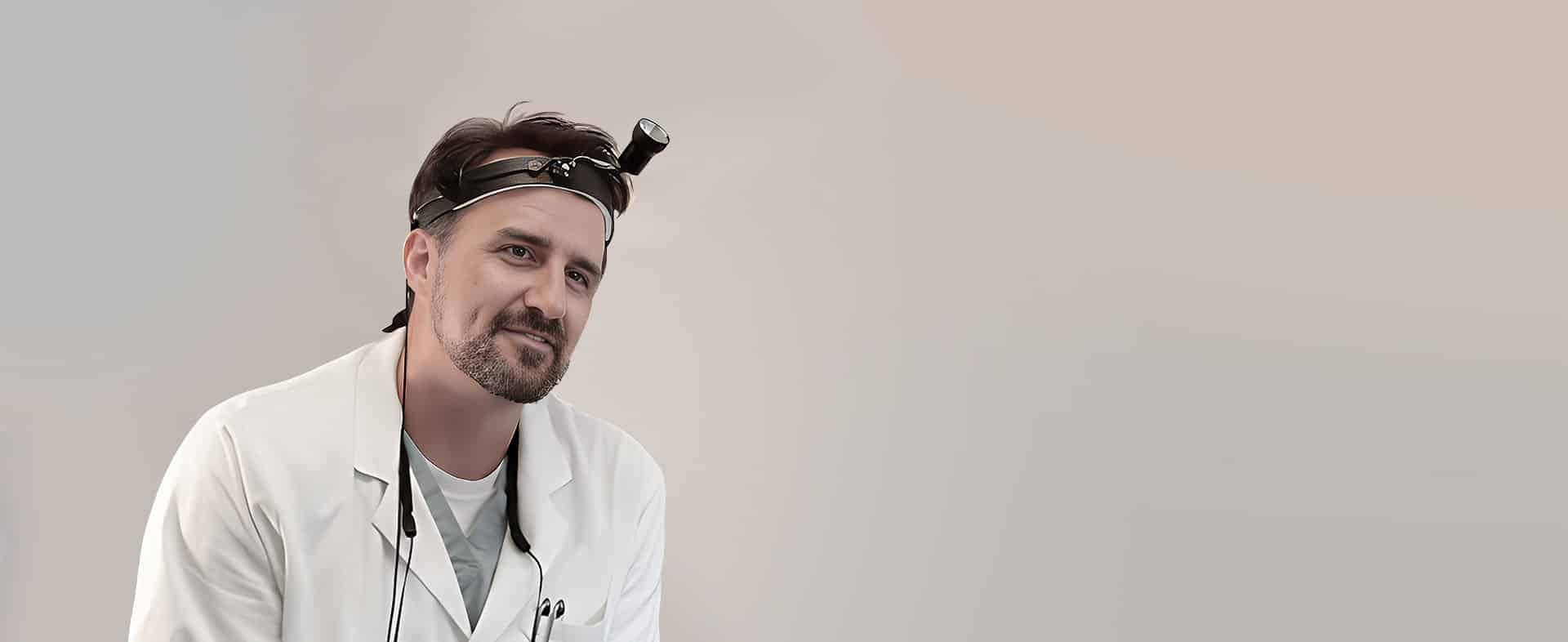
Why Choose Beverly Hills Facial Plastic Surgery Specialist Benjamin Swartout
for Your Rhinoplasty
- Fellowship trained sub-specialist in Facial Plastic surgery who attended college at Harvard University.
- Attended medical school at Albert Einstein College of Medicine in New York.
- Interned in general surgery at New York University, followed by a specialty residency in Otolaryngology – Head & Neck surgery at New York University.
- Completed a fellowship in Facial Plastic & Reconstructive Surgery at the University of Illinois at Chicago where he worked with Dr. Dean Toriumi.
- A member of the American Academy of Facial Plastic & Reconstructive Surgery, the American Academy of Otolaryngology – Head and Neck Surgery and the American Rhinologic Society.
- Teaches nasal surgery to residents at Harbor UCLA both to contribute to the education of future doctors and to give back to an underserved community.