Mild redness, pinkness, or purple bruising around the nasal tip can occur during the early stages of rhinoplasty recovery and should gradually improve as swelling decreases. The American Society of Plastic Surgeons identifies skin discoloration and swelling as recognized risks of rhinoplasty, along with complications such as infection and poor wound healing.
However, discoloration that worsens instead of improving, or skin that appears persistently pale, gray, dusky, black, unusually cold, blistered, or increasingly painful, should be evaluated by your surgeon promptly. Because the nasal tip contains delicate skin and blood vessels, understanding the difference between expected bruising and a possible warning sign can help you navigate your recovery more confidently and know when to seek medical guidance.

Key Takeaways
- Mild redness, pinkness, or bruising around the nasal tip can be normal during the early stages of rhinoplasty recovery.
- Normal bruising should gradually fade, often beginning to improve within the first two to three weeks.
- Persistent pale, gray, dusky, or dark skin, especially with coldness, numbness, blistering, or increasing pain, may indicate a circulation problem and should be evaluated promptly.
- Worsening redness, warmth, swelling, pain, drainage, fever, or chills may be signs of infection.
- If discoloration is getting worse rather than better, contact your surgeon instead of trying to diagnose or treat it at home.
Why Does Tip Discoloration Happen After Nose Surgery?
Tip discoloration after nose surgery can feel alarming at first, but it is usually a natural response to the surgical procedure and part of healing. During cosmetic surgery on the nose, delicate tissues are lifted, reshaped, or supported, which can temporarily affect circulation in the area. This shift in blood flow often leads to changes in color that resolve as the tissues recover. Understanding the most common causes can help you recognize what is normal and when to seek guidance.
Swelling and Bruising
Swelling and bruising are the most common causes of early tip discoloration after surgery, and they can appear even with careful technique. Rhinoplasty bruising often develops as delicate tissues react to post-operative swelling during the first stages of healing. These color changes are expected and occur no matter the surgical technique, since tissue manipulation temporarily affects circulation. As the swelling subsides and the blood pigments naturally break down, the nose tip gradually returns to its normal tone.
Possible Nasal Infection
Although infection after rhinoplasty is uncommon, it requires prompt medical attention. Contact your surgeon if redness or swelling worsens after initially improving, especially when accompanied by increasing warmth, tenderness, pain, pus or foul-smelling drainage, fever, or chills. These symptoms may be difficult to distinguish from normal healing based on appearance alone, so avoid self-treatment and contact your surgical team if they develop or become more noticeable.
Bruising vs. Blanching: When to Contact Your Surgeon
Bruising is a common part of rhinoplasty recovery and may appear red, purple, blue, green, or yellow as it gradually fades. Blanching is different: the skin may appear persistently pale, white, or gray and may feel unusually cold, numb, or increasingly painful. These changes can indicate reduced blood flow and require prompt evaluation by your surgeon.
Do not press, massage, or repeatedly test the nasal tip at home. Contact your surgeon immediately if the discoloration is worsening, the skin remains pale or gray, or the tip becomes cold, blistered, dusky, or dark. A visual home test cannot reliably confirm that circulation is normal.
Skin Necrosis Symptom (Rare)
Skin necrosis is a rare complication that can occur when the blood supply to the nasal skin becomes severely reduced. Warning signs may include worsening discoloration, tenderness, crusting, delayed healing, or skin breakdown, according to published reports on skin necrosis after rhinoplasty.
These changes require immediate assessment by your surgeon. Do not apply ice, heat, ointments, or medications to the affected area unless your surgeon specifically instructs you to do so.
How Long Does Nasal Discoloration Last?
Discoloration caused by ordinary bruising often begins fading within the first two to three weeks after rhinoplasty. The American Society of Plastic Surgeons notes that bruising and swelling commonly last about two weeks, although recovery varies between patients.
This timeline does not apply to every type of discoloration. New, persistent, or worsening color changes, particularly pale, gray, dusky, or dark skin, should be evaluated by your surgeon rather than assumed to be routine bruising.

Normal Bruising vs. Warning Signs
| What You Notice | What It May Indicate | What to Do |
|---|---|---|
| Red, purple, blue, green, or yellow discoloration that gradually fades | Ordinary postoperative bruising | Continue following your surgeon’s recovery instructions |
| Redness or swelling that worsens, especially with warmth, pain, drainage, fever, or chills | Possible infection | Contact your surgeon promptly |
| Persistent pale, white, or gray skin that feels unusually cold or numb | Possible reduced blood flow | Contact your surgeon immediately |
| Dusky, dark purple, or black discoloration, blistering, crusting, or skin breakdown | Possible tissue injury or necrosis | Seek immediate evaluation from your surgeon |

Secure Your Safe Procedure Experience with Dr. Swartout
Join our satisfied clients who’ve experienced safe, effective treatments.
How To Manage Nasal Tip Discoloration After Rhinoplasty Surgery
Most uncomplicated bruising improves gradually with time. Follow your postoperative instructions and use the measures below only when they have been approved for your recovery.
Apply Cold Compresses Only as Directed
Use cold compresses only according to your surgeon’s postoperative instructions. When recommended, place them gently around the cheeks or eye area without pressing directly on the nose, nasal tip, splint, or healing tissues.
Do not use cold therapy if the nasal tip appears pale, gray, unusually cold, numb, or increasingly painful, as additional cooling may further restrict blood flow. Contact your surgeon promptly if these symptoms occur.
Keep your head elevated
Keeping your head elevated during rest helps reduce lingering discoloration at the tip. This position encourages fluid to drain more efficiently, easing pressure around the healing tissues. Improved circulation can also enhance nasal airflow as swelling gradually decreases. Using extra pillows or a wedge pillow makes it easier to maintain elevation and promotes a smoother, more comfortable recovery.
Avoid Sun Exposure and Excessive Heat
Protect the healing nose from direct sunlight and excessive heat according to your surgeon’s instructions. The American Society of Plastic Surgeons notes that ultraviolet exposure can contribute to inflammation and postoperative color changes. Ask your surgeon when sunscreen can be safely applied.
Stay hydrated
Maintain normal hydration and eat balanced meals according to your surgeon’s guidance. These habits support overall healing but do not directly treat tip discoloration or restore blood flow. Contact your surgeon if discoloration is new, persistent, or worsening.
Before & After Photos
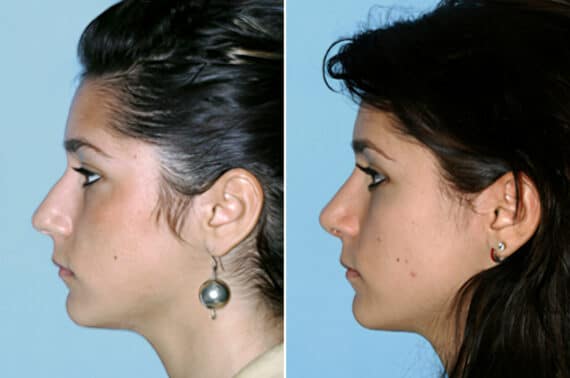
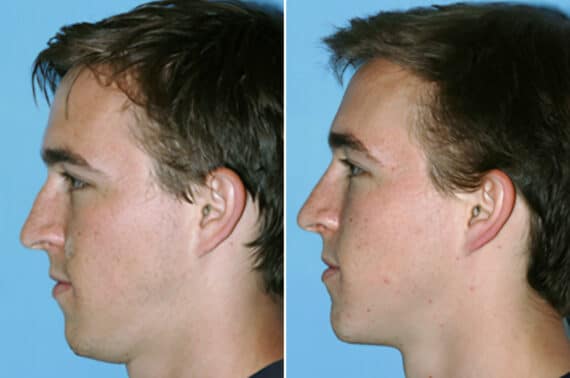
*Each patient is unique and individual results may vary.
Lowering the Risks of Tip Discoloration During Rhinoplasty Recovery
Recovery instructions vary depending on the procedure and the patient. The following precautions may help reduce avoidable bruising, swelling, and healing problems.
Review Medications and Supplements With Your Surgeon
Some medications and supplements can increase bleeding or bruising after rhinoplasty. Take only medications approved or prescribed by your surgeon, as recommended by the Mayo Clinic. Never stop a prescribed anticoagulant or antiplatelet medication on your own; any change should be coordinated with your prescribing clinician and surgeon.
Avoid vigorous activities
Avoid exercise, heavy lifting, bending, or straining until your surgeon clears you to resume them. Academic postoperative rhinoplasty instructions recommend limiting activity during early recovery to protect the healing nose and manage swelling.
Avoid Smoking, Vaping, and Alcohol as Directed
Smoking and vaping can slow healing and increase the risk of infection or tissue damage after rhinoplasty, according to the Mayo Clinic. Avoid nicotine, and follow your surgeon’s instructions about alcohol use throughout recovery.
Follow your surgeon’s healing instructions
Your surgeon’s recommendations are based on your procedure and healing progress. Follow all instructions regarding medications, activity, skin care, and follow-up visits, and report any new or worsening discoloration promptly.
Trust Your Face to Dr. Swartout’s Care
Find your natural beauty with Dr. Swartout’s expertise, conveniently located in Beverly Hills, CA.

Why Trust a Nose Job Specialist for Your Procedure
Persistent, worsening, or unusual nasal-tip discoloration should be evaluated by the operating surgeon or another qualified facial plastic surgeon. A specialist can examine the skin, circulation, nasal structure, and healing progress to determine whether the change is expected or requires treatment.
To schedule an evaluation, call 310-275-0704 or visit our contact page today.
Frequently Asked Questions About Nose Discoloration After Rhinoplasty
About the Author
Dr. Benjamin G. Swartout is a fellowship-trained facial plastic surgeon in Beverly Hills with a special focus on rhinoplasty, revision rhinoplasty, and functional nasal surgery. His approach emphasizes natural-looking, long-lasting results while preserving or improving nasal breathing.
Dr. Swartout’s credentials include:
- Fellowship Training — Facial Plastic & Reconstructive Surgery, University of Illinois at Chicago under Dr. Dean Toriumi
- Residency — Otolaryngology–Head & Neck Surgery, New York University
- Medical Degree — Albert Einstein College of Medicine
- Undergraduate Education — Harvard University
- Published Author — Numerous articles and book chapters on rhinoplasty and aesthetic facial surgery
- Medical Educator — Teaches nasal surgery to residents at Harbor UCLA
Expertise Areas:
Rhinoplasty, Revision Rhinoplasty, Ethnic Rhinoplasty, Facial Plastic and Reconstructive Surgery, Nasal Function, and Complex Nasal Surgery.